A shop more than 120 years old
Our Story
In the historic bazaar of Mudurnu, this shop has lived for more than 120 years. First the yemeni block-printers worked here, then the tailors. Today another craft continues in the same place: the fire is lit, food is prepared, coffee is brewed and tables are set.
Three lives of one shop
First
The yemeni masters
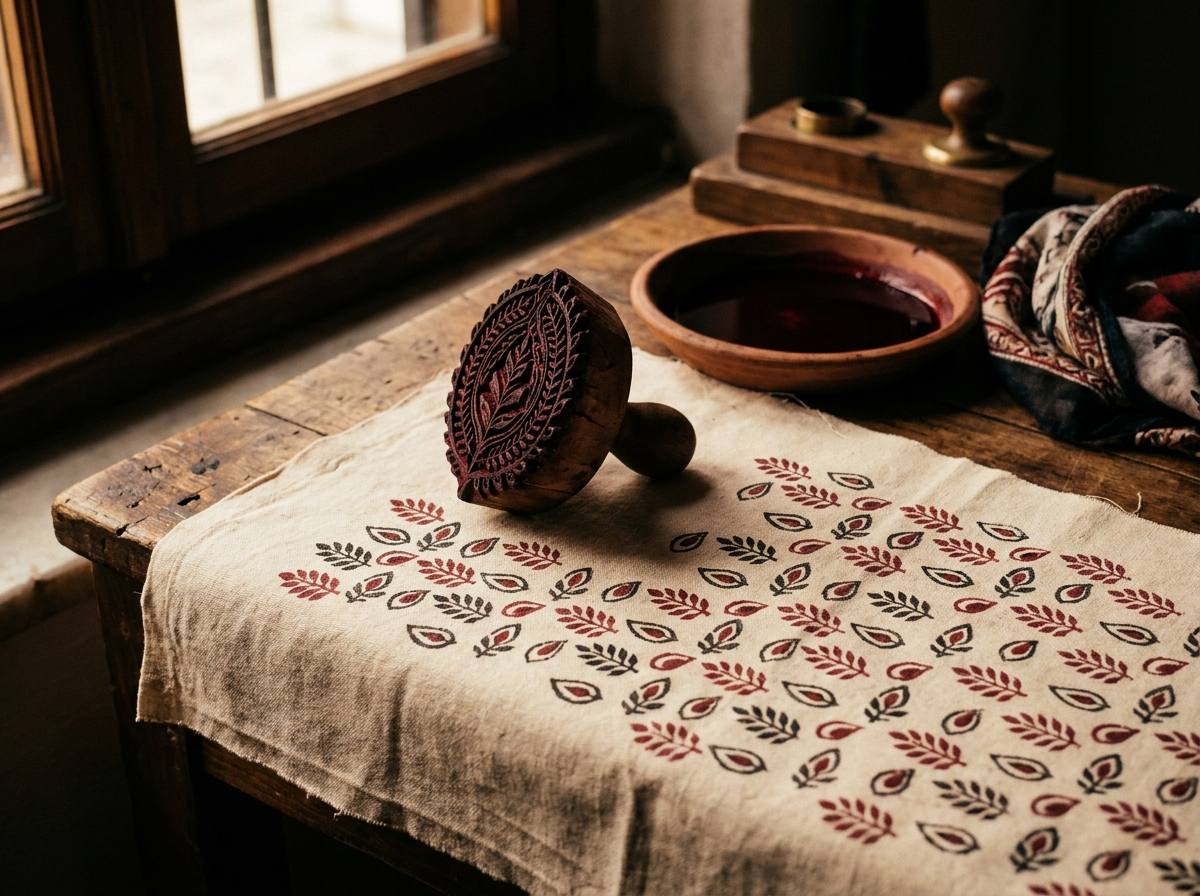
Carved wooden blocks were dipped in dye and pressed onto cloth, one pattern at a time. The shop’s first craft was patience.
Then
The tailors
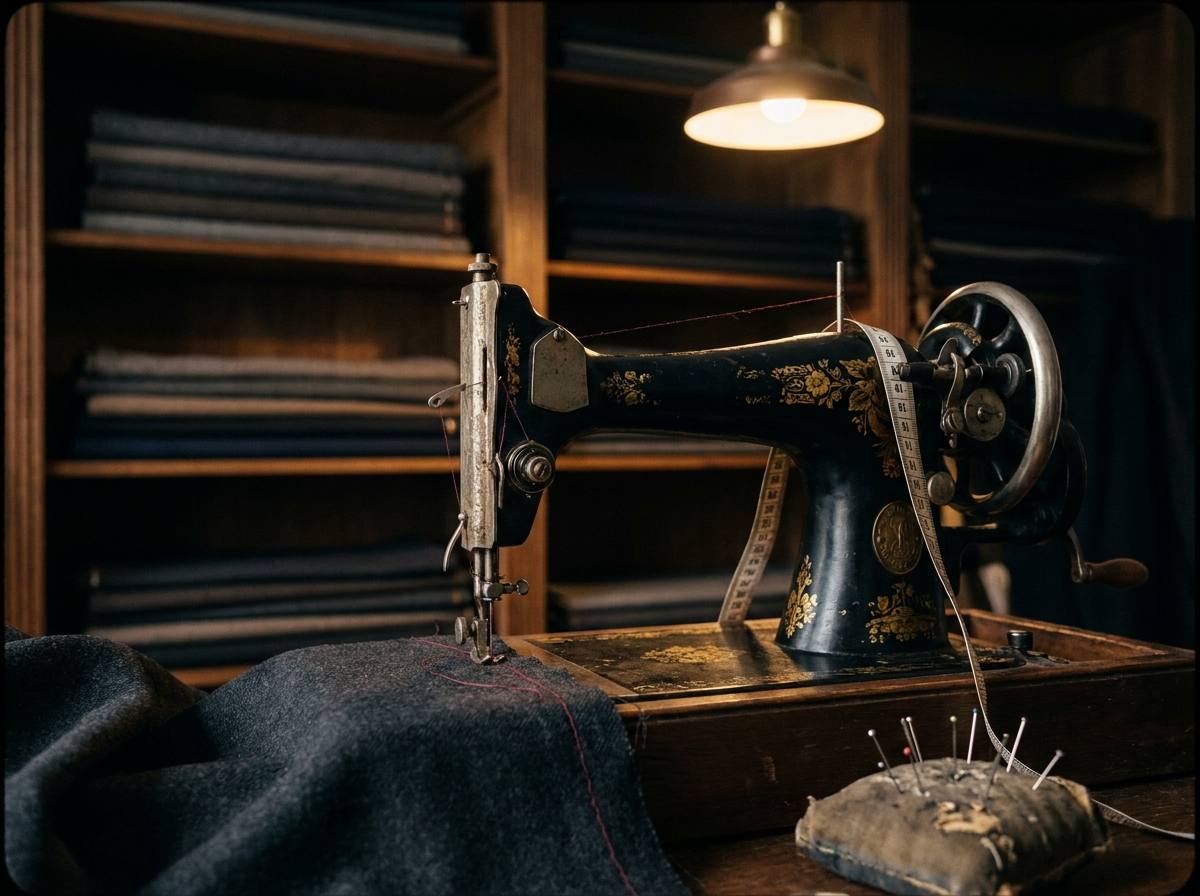
Scissors, measure, needle and thread. The same counter, another kind of handwork.
Today
7 Kapı
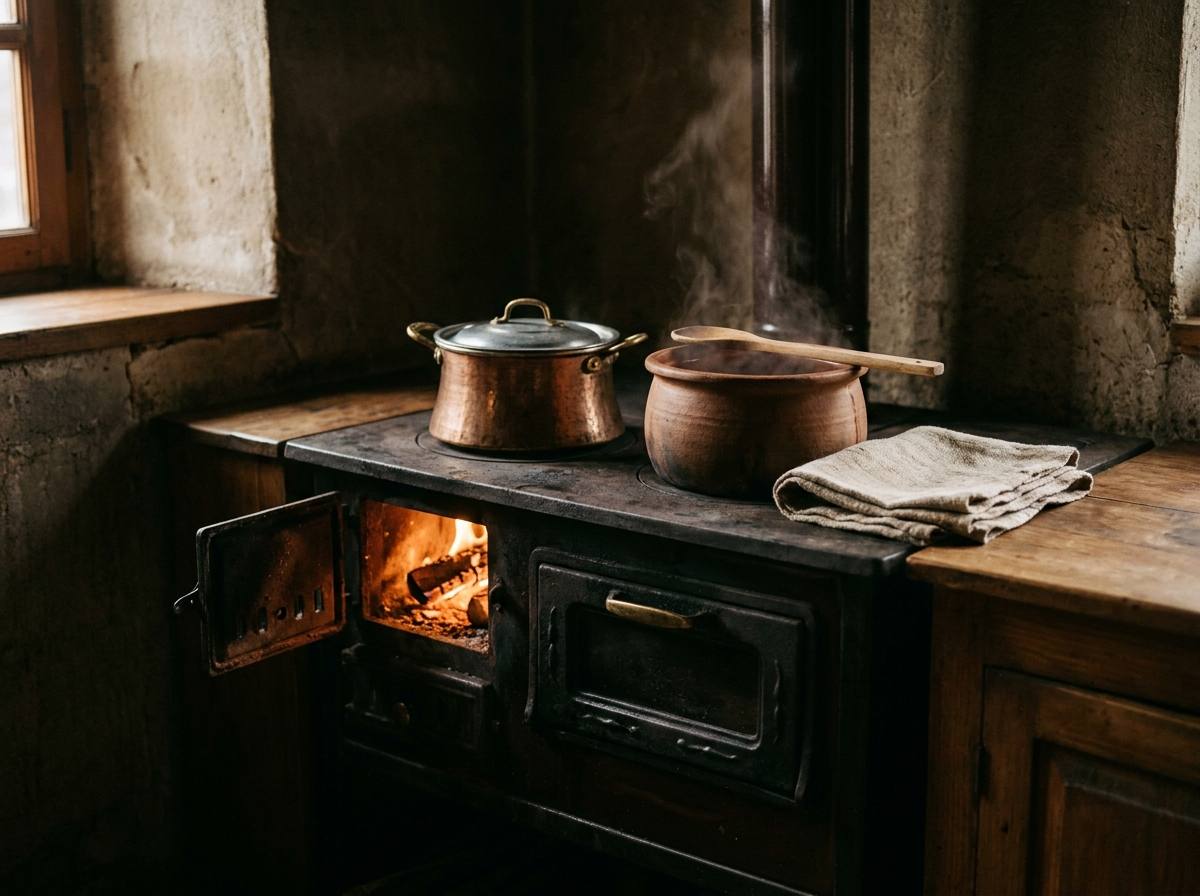
Fire, coffee and the table. The craft changed; the respect for labour stayed the same.


A measure distilled from the Ahi tradition
7 Kapı does not exist to rebuild the past, but to keep alive the understanding it left behind. The respect for labour, for mastery and for people — distilled from Mudurnu’s Ahi guild culture — sets the measure of everything we do here.
This way of maturing the craft and the person together is also what our name stands for.

The shop’s patron saints
In the Ahi tradition every craft has its pir — a patron believed to have first opened the way of that trade. By tradition, these are the patrons of the crafts that have lived in this shop:
- Yemeni block-printers
- Mehmet Ekber Yemânî
- Tailors
- The Prophet Idris (Enoch)
- Cooks
- Adam, and Hasan al-Basri
- Coffee-makers
- Sheikh al-Shadhili
The Turkish idiom “to have one’s shoe thrown onto the roof” — to fall out of favour — is said to come from this world: a craftsman who did shoddy work or broke the rules had his shoe tossed onto the roof for all to see.
All the patron saints and the tradesmen’s prayerWhy “7 Kapı” — Seven Doors?
In Sufi thought, our name points to a person’s journey of self-knowledge and maturing: to change without losing one’s essence, to move forward without forgetting one’s roots.
In Sufi thought this journey is told through the seven stages of the self: ammara, lawwama, mulhima, mutmainna, radiya, mardiyya and kamila. The seven doors on our home page pass through these stages.
Every door is a threshold, every threshold a step toward maturity. For us, the last door is the table where our guest sits.
- IAmmara
- IILawwama
- IIIMulhima
- IVMutmainna
- VRadiya
- VIMardiyya
- VIIKamila
With a grace learned from the past, we set today’s table.
7 KAPI
Let your table be ready
The bazaar gets busy on weekends and holidays. Book ahead and we will be expecting you.